

A Complete Guide from Basics to Advanced OOH Media Strategy
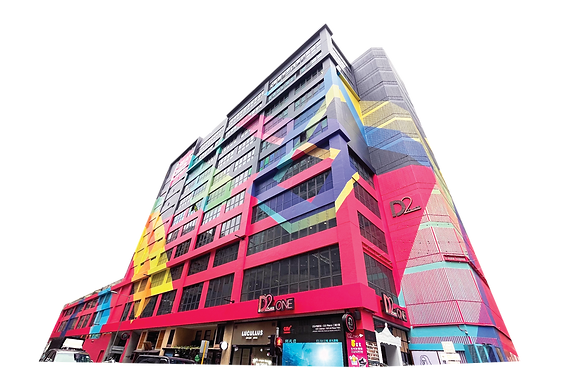
What is Out-of-Home (OOH) Advertising?
In Hong Kong—a fast-paced, information-saturated international metropolis—every brand strives to secure its place in an intensely competitive market. As the cost of online advertising continues to rise and consumers grow increasingly fatigued by digital ads, one of the oldest yet most enduring advertising formats—Out-of-Home (OOH) advertising—is making a powerful return to the core of brand strategy.
More than just visual communication, OOH represents a physical presence in real-world space, creating a tangible psychological anchor for your brand.
Whether it’s office workers commuting through Central or tourists shopping in Causeway Bay, people are constantly and subconsciously exposed to various forms of outdoor advertising every day. These ads tower over Victoria Harbour, flash at busy intersections, or travel quietly across the city on bus exteriors—forming an integral part of Hong Kong’s urban landscape.
Yet many business owners and marketers may ask: Is OOH advertising still worth the investment in the digital age? How can you ensure every dollar spent delivers maximum return?
This article provides a comprehensive guide—starting from the fundamentals of OOH advertising, analysing the strengths and weaknesses of different media formats, and guiding you step-by-step to build a precise and effective OOH strategy. Together, we will explore how to leverage this powerful channel to make your brand stand out in a vibrant city and truly connect with your target audience.
Table of Contents


Breaking Down the Core Value of OOH Advertising
Before diving into strategies, it is essential to understand why OOH advertising remains irreplaceable today. Unlike online ads that can be easily skipped or blocked, OOH advertising offers several core advantages that make it a vital part of integrated marketing.
First is its unavoidable reach. OOH advertising is embedded in people’s daily routines—commuting, leisure, and everyday movement. It cannot be turned off or ignored. When a massive billboard dominates your view while waiting at a traffic light, its message is already being subconsciously absorbed. This high-frequency, repeated exposure is critical for building brand awareness and reinforcing brand identity, leaving a lasting impression in consumers’ minds.
Second is its broad reach. A strategically placed outdoor ad—such as a billboard at the Hung Hom Cross-Harbour Tunnel—can reach hundreds of thousands of people daily from diverse backgrounds. This scale of exposure is unmatched by many other media channels, making it ideal for new brands seeking rapid market awareness or companies promoting mass consumer products.
Finally, OOH advertising helps build brand credibility and perceived strength. Large-scale advertisements in iconic city locations signal confidence, stability, and success. Compared to fleeting digital ads, the physical presence and long-term visibility of OOH create a sense of authority and trust. This “halo effect” significantly enhances consumer confidence—especially in industries such as finance, real estate, and luxury goods.
Comparing Different Types of Outdoor Media
Choosing the right media is the foundation of a successful OOH campaign. Hong Kong offers a diverse range of outdoor advertising options, each with unique characteristics.
Traditional Billboards
The most classic form of outdoor advertising, typically located along highways, major roads, or building exteriors.
• Advantages: Strong visual impact, wide coverage, ideal for building a powerful brand image. Long-term placement allows for repeated exposure and can even become a local landmark.
• Disadvantages: Static content, higher production and installation costs (especially in prime locations), difficult to precisely measure effectiveness, and slow content updates.
• Suitable Industries: Real estate, automotive, telecommunications, FMCG, and brands seeking large-scale awareness.
LED Digital Screens (DOOH)
A key format in Digital Out-of-Home advertising, commonly found in prime areas such as Causeway Bay and Tsim Sha Tsui.
• Advantages: Dynamic content including videos and animations, real-time updates (e.g. weather-triggered ads), shared screen rotation lowers entry cost, visually captivating.
• Disadvantages: Higher production costs for motion content, strong competition for attention, limited exposure time due to rotation.
• Suitable Industries: Entertainment, luxury, fashion, events, and brands that require dynamic storytelling.
Lightbox Advertising
Commonly located in MTR stations, bus shelters, airports, and shopping malls.
• Advantages: Excellent night visibility, high-quality visuals, close-range engagement, longer viewing time in waiting areas.
• Disadvantages: Smaller coverage compared to billboards, static content, susceptible to physical wear.
• Suitable Industries: Retail, F&B, beauty, cosmetics, electronics—especially for driving nearby store visits.
Transportation Advertising
Includes bus wraps, taxi ads, and MTR carriage ads.
• Advantages: High mobility, city-wide coverage, frequent exposure, immersive experience in MTR environments.
• Disadvantages: Requires simple messaging due to short viewing time, maintenance needed to preserve appearance.
• Suitable Industries: Mass-market products, chain brands, banks, education institutions.
How to Build a Successful OOH Strategy
Having the right media is only part of the equation. A successful OOH campaign requires strategic planning from goal setting to performance evaluation.
Define Clear Objectives and Audience
Start by identifying your goal: brand awareness, store traffic, or promotional campaigns. Then clearly define your target audience—who they are, where they are, and their daily routes. For example, targeting professionals in Central differs greatly from targeting youth in Mong Kok.
The Art of Location Selection
Location is the soul of OOH advertising.
• Match foot traffic with your target audience
• Ensure clear visibility without obstructions
• Align content with the surrounding environment
• Place ads near points of sale to drive immediate action
Creative Design Principles
Follow the KISS principle (Keep It Simple, Stupid).
• Keep copy concise (ideally within 7 words)
• Use bold, eye-catching visuals
• Ensure clear brand identity
• Focus on a single message
• Include a strong Call-to-Action (e.g. QR codes, URLs)
Future Trends in OOH Advertising
The industry is evolving rapidly towards digitalisation and data-driven strategies.
• Programmatic DOOH: Automated ad buying with real-time data triggers
• Mobile Integration: Geo-fencing and AR experiences
• Data-Driven Targeting: Precise audience insights
• Sustainability: Eco-friendly materials and energy-efficient displays
Conclusion: Make Your Brand Stand Out in the City
OOH advertising is far from outdated—it remains a powerful communication tool in the digital age. Its unavoidable presence and wide reach make it essential for building brand awareness and credibility.
• Choose media strategically
• Use data to optimise location
• Create simple yet impactful designs
• Integrate with digital marketing and measure results
Next time you walk through Hong Kong, look up at the city’s billboards—they are more than ads; they are part of the city’s identity. With the right strategy, your brand can become one of the most memorable.
Frequently Asked Questions
Q1: How much does OOH
advertising cost?
Costs vary widely depending on location, format, size, duration, and demand. Prices can range from a few thousand HKD per month for small placements to hundreds of thousands or even millions for prime locations.
Q3: Is OOH suitable for SMEs?
Absolutely. SMEs can choose cost-effective options such as community-level ads or targeted placements near their audience.
Q2: How to measure effectiveness?
• Digital tracking (QR codes, URLs, promo codes)
• Brand lift studies
• Geo-data analysis
Q4: Difference between DOOH and traditional OOH?
Traditional OOH is static and long-term, while DOOH is dynamic, flexible, and allows real-time updates and shared placements.
References
-
Blue Line Media. (2023). Out-of-Home (OOH) Advertising: The Ultimate Guide. Blue Line Media. Retrieved from https://www.bluelinemedia.com/ooh-advertising
-
Out of Home Advertising Association of America (OAAA). (n.d.). OOH Facts & Figures. Retrieved from https://oaaa.org/About-OOH/OOH-Facts-Figures